Eurozone Business Contraction Deepens: Implications for Thai Investors and Expats
Source: Free Malaysia Today
Eurozone Business Activity Slumps: A Warning Signal
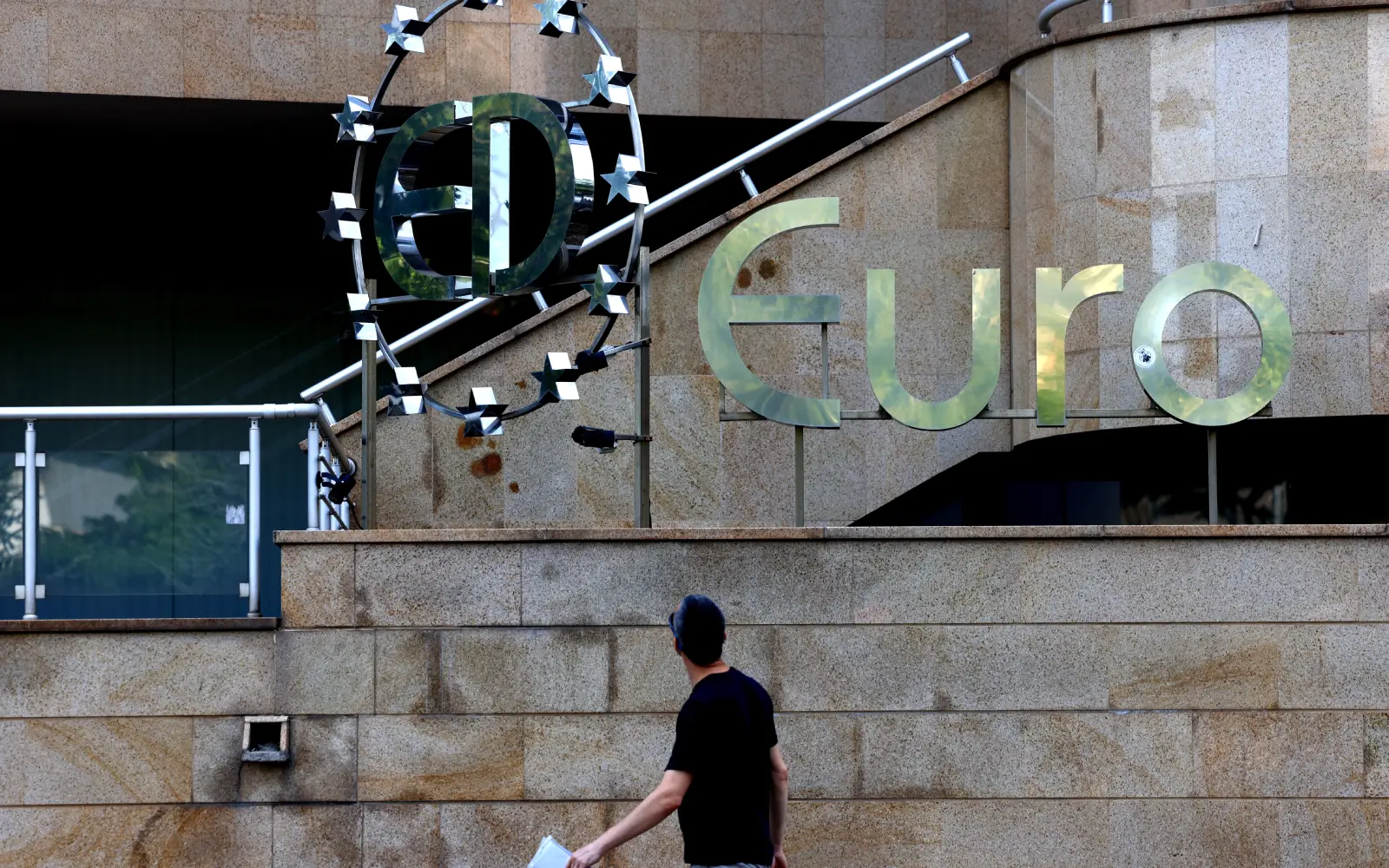
The eurozone’s economic engine is sputtering. In May 2026, the region’s Purchasing Managers’ Index (PMI) fell to 47.5—its lowest point in over two and a half years. This marks the second consecutive month of contraction, as any reading below 50 signals a shrinking economy. For investors and expats in Thailand, these developments warrant close attention, given the eurozone’s influence on global trade, investment flows, and currency markets.
Key Drivers: Geopolitical Tensions and Weak Demand
According to S&P Global, the eurozone’s downturn is being driven by a combination of persistent weak demand and external shocks, notably the ongoing conflict in the Middle East. The war has disrupted supply chains and dampened business sentiment, leading to sharper declines in output, new orders, and employment across the bloc. Business confidence is also slipping, suggesting that companies are bracing for further headwinds in the months ahead.
Inflationary Pressures Complicate Policy Response
Adding to the region’s woes, inflation surged to 3% in April—well above the European Central Bank’s (ECB) 2% target. S&P’s survey hints that price pressures could push inflation closer to 4% in the near term. This creates a policy dilemma: while the economy is slowing, persistent inflation limits the ECB’s ability to cut rates or provide additional stimulus without risking further price instability.
Major Economies Under Strain
- Germany: Europe’s largest economy saw business activity contract again in May, though the pace of decline slowed compared to April. This suggests some stabilization, but the overall trend remains negative.
- France: The eurozone’s second-largest economy posted its steepest drop in business activity in five and a half years, underscoring the depth of the current downturn.
With both economic heavyweights under pressure, the outlook for the broader eurozone remains fragile.
Implications for Thailand-Based Investors and Expats
For those living or investing in Thailand, the eurozone’s economic troubles have several potential ramifications:
- Currency Volatility: A weaker euro could impact Thai exports to Europe and affect the value of remittances or euro-denominated assets held by expats.
- Tourism Flows: Economic uncertainty in Europe may dampen outbound travel, potentially slowing the recovery of European tourist arrivals to Thailand.
- Investment Flows: European investors facing domestic challenges may scale back foreign direct investment (FDI) into Southeast Asia, including Thailand, or become more selective in their capital allocation.
- Supply Chain Disruptions: Ongoing geopolitical tensions and weak European demand could disrupt global supply chains, affecting Thai manufacturers with exposure to European markets.
Strategic Considerations
Given these dynamics, investors and expats should monitor eurozone developments closely. Diversifying portfolios, hedging currency exposure, and staying informed about shifts in global demand will be crucial. Businesses with significant European ties may need to reassess their risk management strategies and explore alternative markets or supply sources.
While the eurozone’s current challenges present risks, they may also create opportunities for agile investors—particularly in sectors or regions less exposed to European economic cycles.
Source: Free Malaysia Today
This article is provided for informational purposes only and does not constitute financial or legal advice. Information sourced from Free Malaysia Today may have been edited for clarity. Always verify details with official sources before making any decisions.