Vietnam’s Gold Market Rebounds: What Expats and Investors Need to Know
Source: VnExpress
Vietnam’s Gold Prices Bounce Back: Analyzing the Market Shift
After a notable dip to their lowest point since mid-January, Vietnam’s gold prices staged a recovery on Thursday morning. This rebound, following a four-month low, highlights the volatility and unique characteristics of the Vietnamese gold market—factors that are crucial for expats and investors to understand.
Understanding the Recent Price Movements
The recent downturn in gold prices was driven by a combination of global and domestic factors. Internationally, gold has faced pressure from a stronger US dollar and shifting expectations about interest rates, which often makes non-yielding assets like gold less attractive. Locally, Vietnam’s gold market is influenced by supply constraints, regulatory interventions, and strong retail demand, which can cause price movements to diverge from global trends.
Key Drivers Behind the Rebound
- Global Market Sentiment: Gold prices worldwide have shown signs of stabilization as investors reassess the outlook for inflation and central bank policies. This has provided a supportive backdrop for local prices.
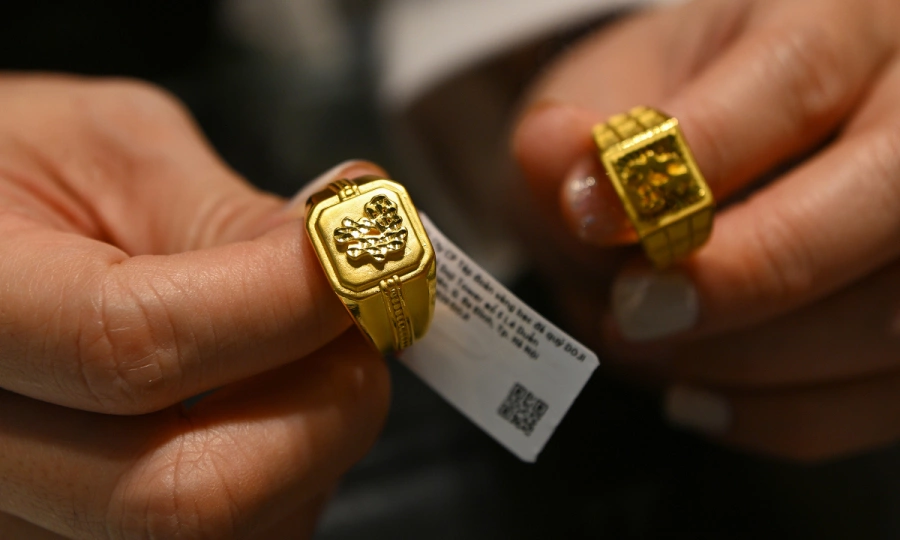
- Domestic Demand: In Vietnam, gold remains a popular store of value, especially during periods of currency volatility or economic uncertainty. The recent price dip likely triggered increased buying from retail investors and jewelry buyers, helping to lift prices.
- Regulatory Factors: The Vietnamese government maintains tight controls over gold imports and the domestic gold market. These policies can amplify price swings and create opportunities for arbitrage, particularly when local prices deviate from international benchmarks.
Implications for Expats and Investors
For expats and foreign investors, Vietnam’s gold market presents both opportunities and challenges:
- Market Access: Direct participation in Vietnam’s gold market is limited for foreigners due to regulatory restrictions. However, expats can gain exposure through local financial instruments or by investing in regional gold ETFs that track Southeast Asian markets.
- Hedging and Diversification: Gold remains a valuable hedge against inflation and currency risk, particularly in emerging markets like Vietnam. Investors with exposure to the Vietnamese dong or local assets may consider gold as a diversification tool.
- Volatility Awareness: The Vietnamese gold market is prone to sharp price swings, influenced by both global trends and local idiosyncrasies. Investors should be prepared for higher volatility compared to more mature markets.
Regional Context: Southeast Asia’s Gold Appetite
Vietnam is not alone in its enthusiasm for gold. Across Southeast Asia, gold is deeply embedded in cultural and economic practices, from jewelry purchases to savings and investment. This regional demand can provide a buffer against global downturns, but also means that local markets can behave independently of international trends.
Looking Ahead
As global economic conditions evolve and local factors continue to shape supply and demand, Vietnam’s gold market will likely remain dynamic. For expats and investors, staying informed about both international developments and domestic policies is essential for navigating this unique market.
Source: VnExpress
This article is provided for informational purposes only and does not constitute financial or legal advice. Information sourced from VnExpress may have been edited for clarity. Always verify details with official sources before making any decisions.