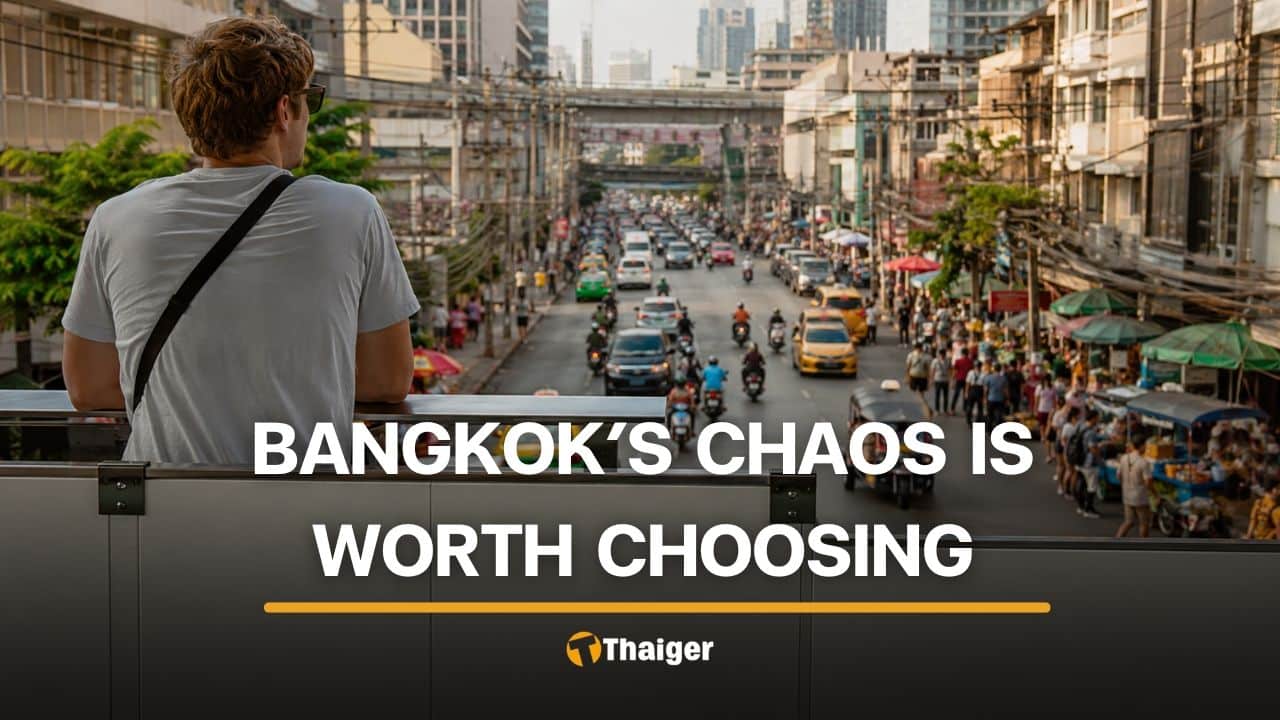
Why Americans Keep Returning to Bangkok’s Chaos: An Expat and Investor Perspective
Source: The Thaiger
The Allure of Bangkok’s Organized Chaos
Bangkok, with its relentless energy and sensory overload, may seem an unlikely magnet for Americans accustomed to the hustle of New York or Los Angeles. Yet, the Thai capital consistently ranks among the top destinations for Americans considering life abroad. According to recent data from Country Navigator, Thailand is the 10th most searched country for Americans planning an international move, outpacing many nations with more familiar cultures and established migration pathways.
What is it about Bangkok’s chaos that draws Americans back, even when their own cities are hardly tranquil? The answer lies in the distinct flavor of urban friction and the lifestyle it enables.
Bangkok’s Chaos vs. American Urban Stress
American cities are notorious for their own brand of chaos—expensive, structured, and often isolating. The grind of high rents, long commutes, and transactional social interactions can wear down even the most resilient. In contrast, Bangkok’s chaos is anarchic but communal. The city’s noise, traffic, and crowds are offset by a cultural baseline of patience and social ease, embodied in Thai concepts like sabai sabai (relaxed contentment) and mai pen rai (never mind).
For many Americans, this softer friction is not just tolerable—it’s liberating. The city’s informal economy and vibrant street life create a sense of connection and spontaneity rarely found in the US, where daily routines are more rigid and solitary.
Key Factors Driving American Interest
- Affordability: The cost of living in Bangkok is a fraction of that in major US cities. Daily expenses, from street food to housing, allow for a higher quality of life on a modest budget. This financial freedom is a major draw for both retirees and remote workers.
- 24/7 Urban Life: Bangkok’s streets are alive at all hours, with food vendors and markets providing not just sustenance but social interaction. This contrasts with the more regulated, time-bound commerce in the US.
- Social Fabric: Everyday interactions in Bangkok are lubricated by a cultural emphasis on harmony and enjoyment (sanuk). For Americans, this translates into a daily life that feels less adversarial and more communal.
- Reduced Logistical Burdens: Many expats report that, despite working longer hours, they feel less drained in Bangkok. The city’s services and informal networks make daily life smoother and less isolating.
Challenges for Long-Term Integration
Despite its appeal, Bangkok is not without significant hurdles. Thailand ranks lower (22nd) when considering overall migration suitability, factoring in political stability, language barriers, and cultural distance. English is not widely spoken outside tourist and expat areas, and Thai bureaucracy can be daunting. Environmental factors—such as heat and air quality—also pose real challenges.
As Chris Crosby of Country Navigator notes, the real difficulties often emerge after arrival. Adapting to indirect communication styles and different approaches to decision-making requires genuine cultural adjustment, not just surface-level enjoyment.
Implications for Expats and Investors
For expats, the introduction of Thailand’s Long-Term Resident visa—offering up to ten years for qualifying professionals, retirees, and remote workers—has lowered the barrier to entry. The established expat communities in Bangkok, Chiang Mai, and coastal areas provide support networks that ease the transition.
For investors, the sustained American interest signals ongoing demand for rental properties, co-working spaces, and lifestyle services tailored to Western preferences. However, success depends on understanding the nuances of Thai culture and regulatory frameworks, as well as the cyclical nature of expat migration trends.
Conclusion: The Bangkok Equation
Bangkok’s chaos is not a flaw but a feature—a dynamic that enables a unique quality of life for those willing to embrace it. For Americans, the city offers a blend of affordability, vibrancy, and social connection that is increasingly hard to find at home. The challenges are real, but for many, the rewards are worth the adaptation. As the numbers show, the allure of Bangkok’s organized chaos is not fading anytime soon.
Source: The Thaiger
This article is provided for informational purposes only and does not constitute financial or legal advice. Information sourced from The Thaiger may have been edited for clarity. Always verify details with official sources before making any decisions.
Related Articles
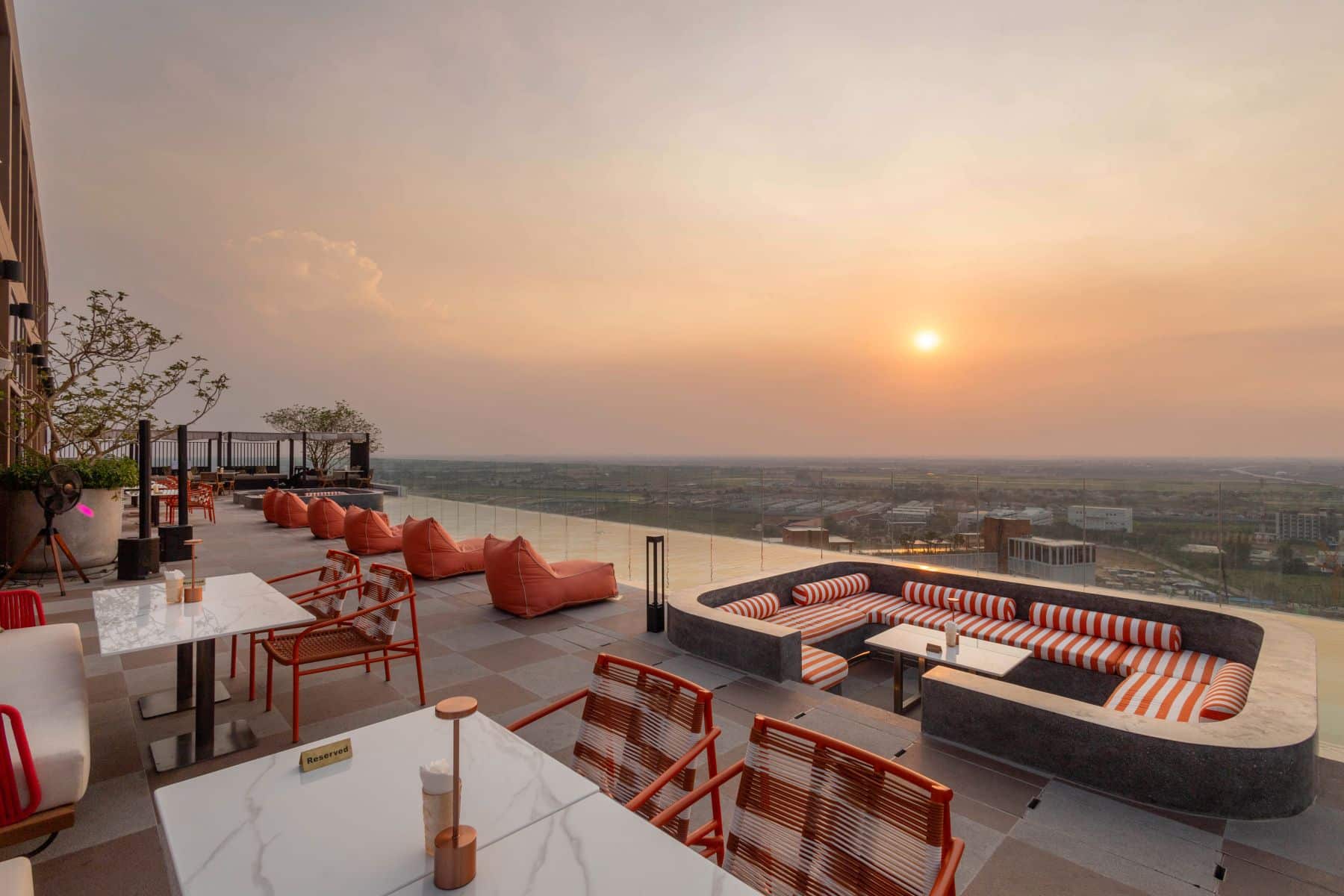
Centara’s New Brand Experience: What Expats and Investors Should Know
Centara Hotels & Resorts has launched a new brand experience focused on comfort, local culture, and memorable guest touchpoints. This move signals a strategic shift for Thailand’s leading hotel operator, with implications for expats, investors, and the broader hospitality sector.